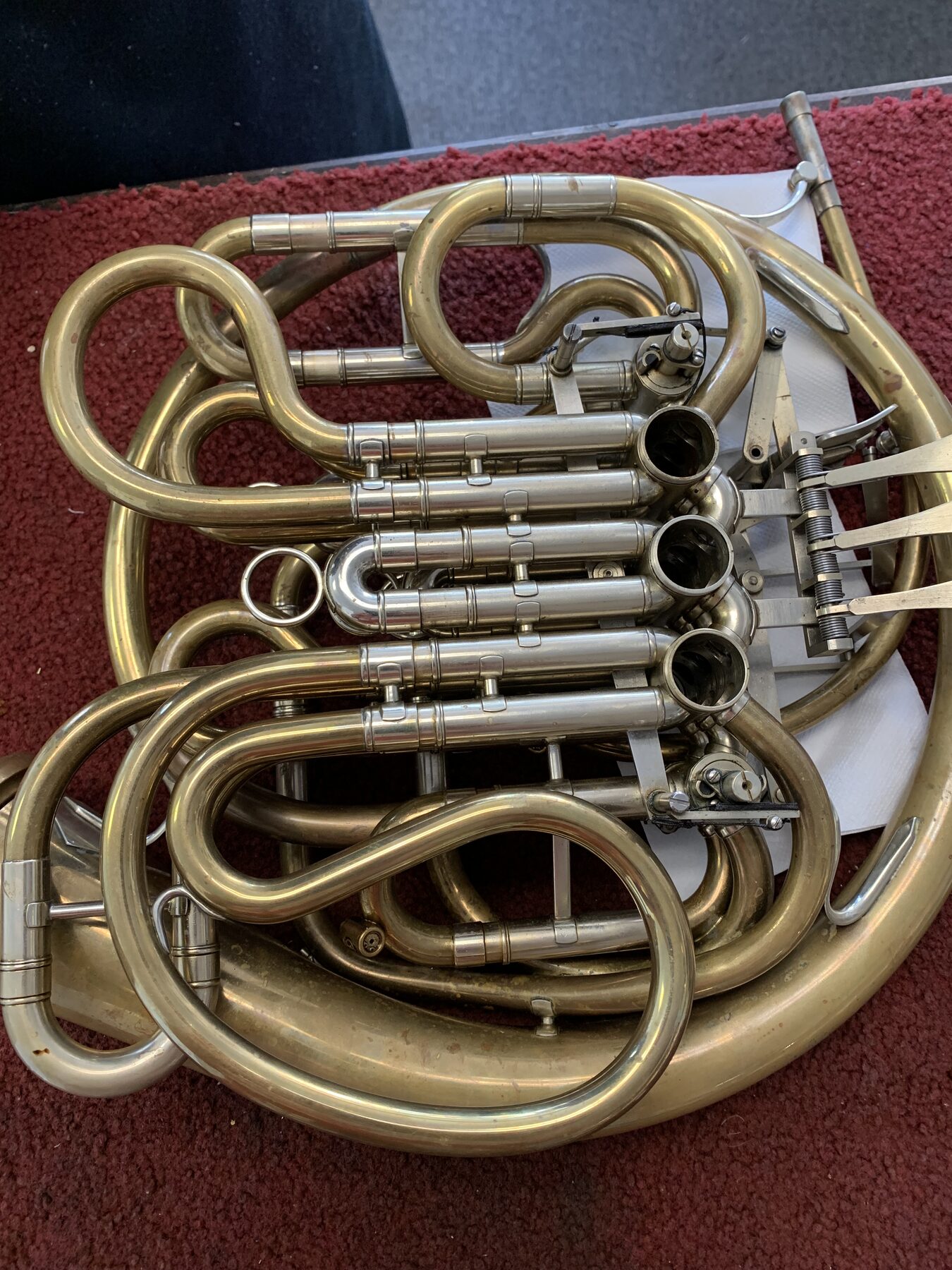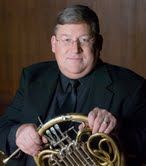
Bill Holcombe said his horn journey began on an 8D, which he played through college while studying at Temple University with Nolan Miller, principal horn of the Philadelphia Orchestra. During those years he also had the chance to play Anton Horner’s Kruspe, an instrument Miller owned, and remembered it as an especially fine horn.
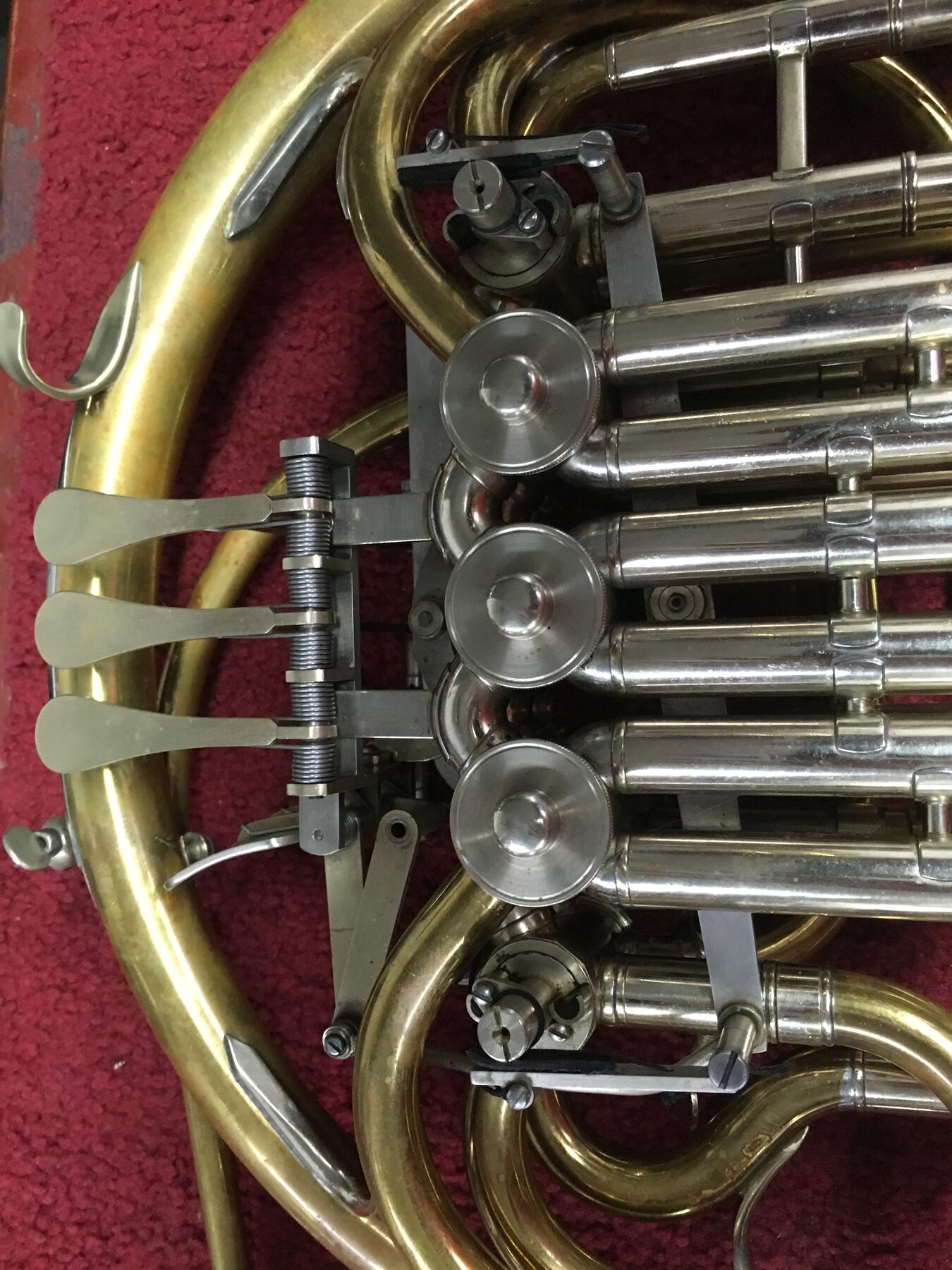
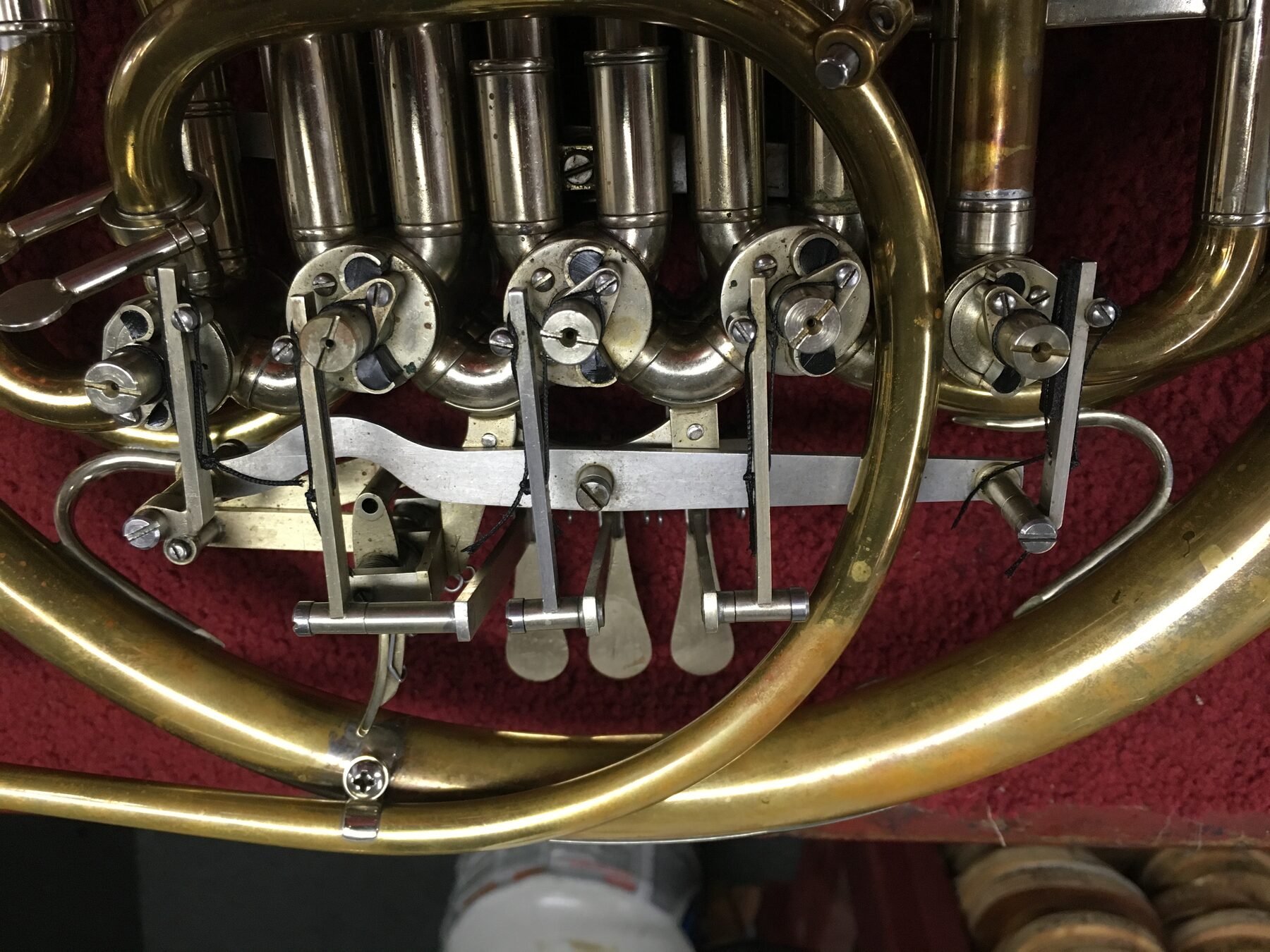
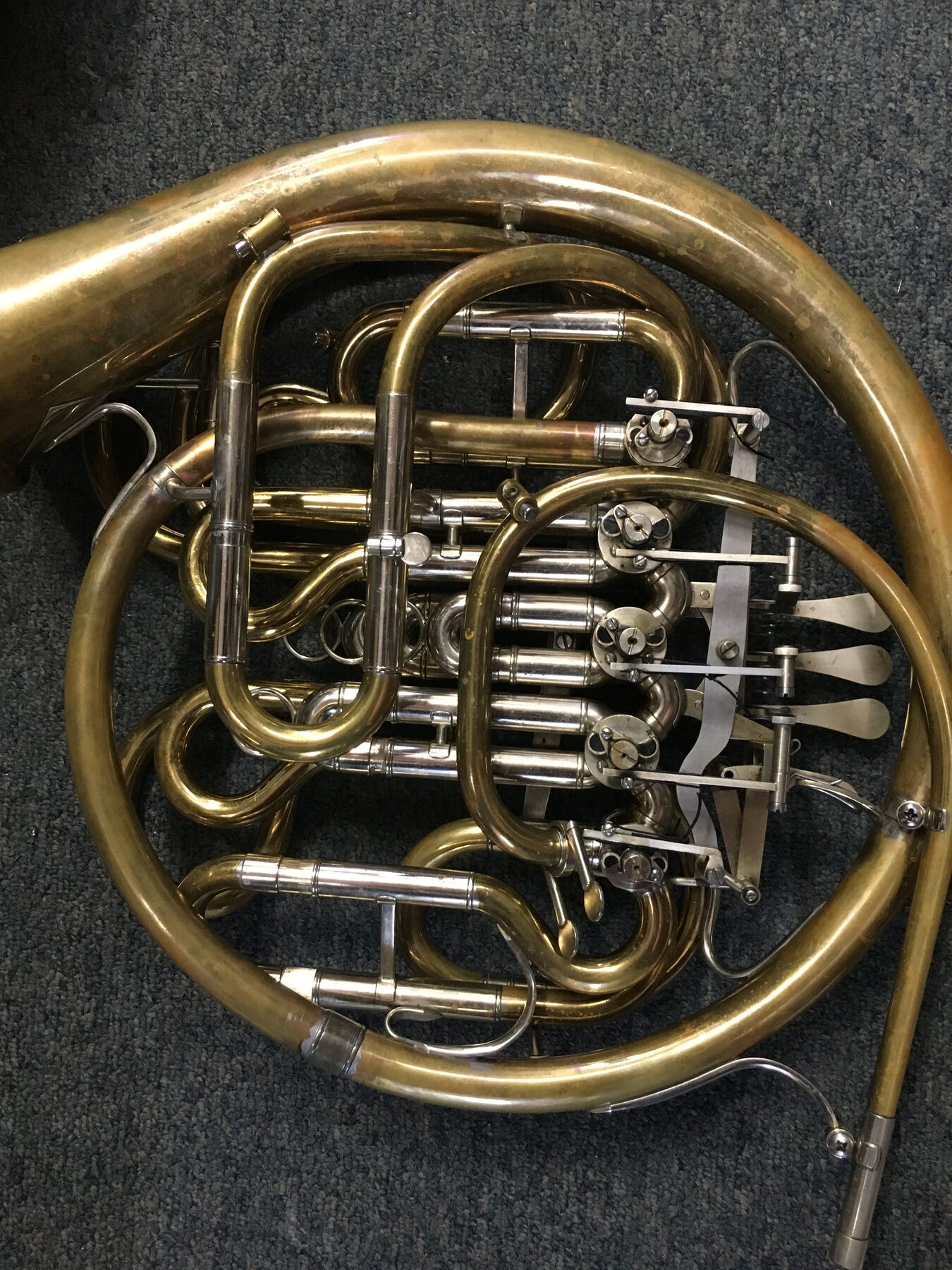
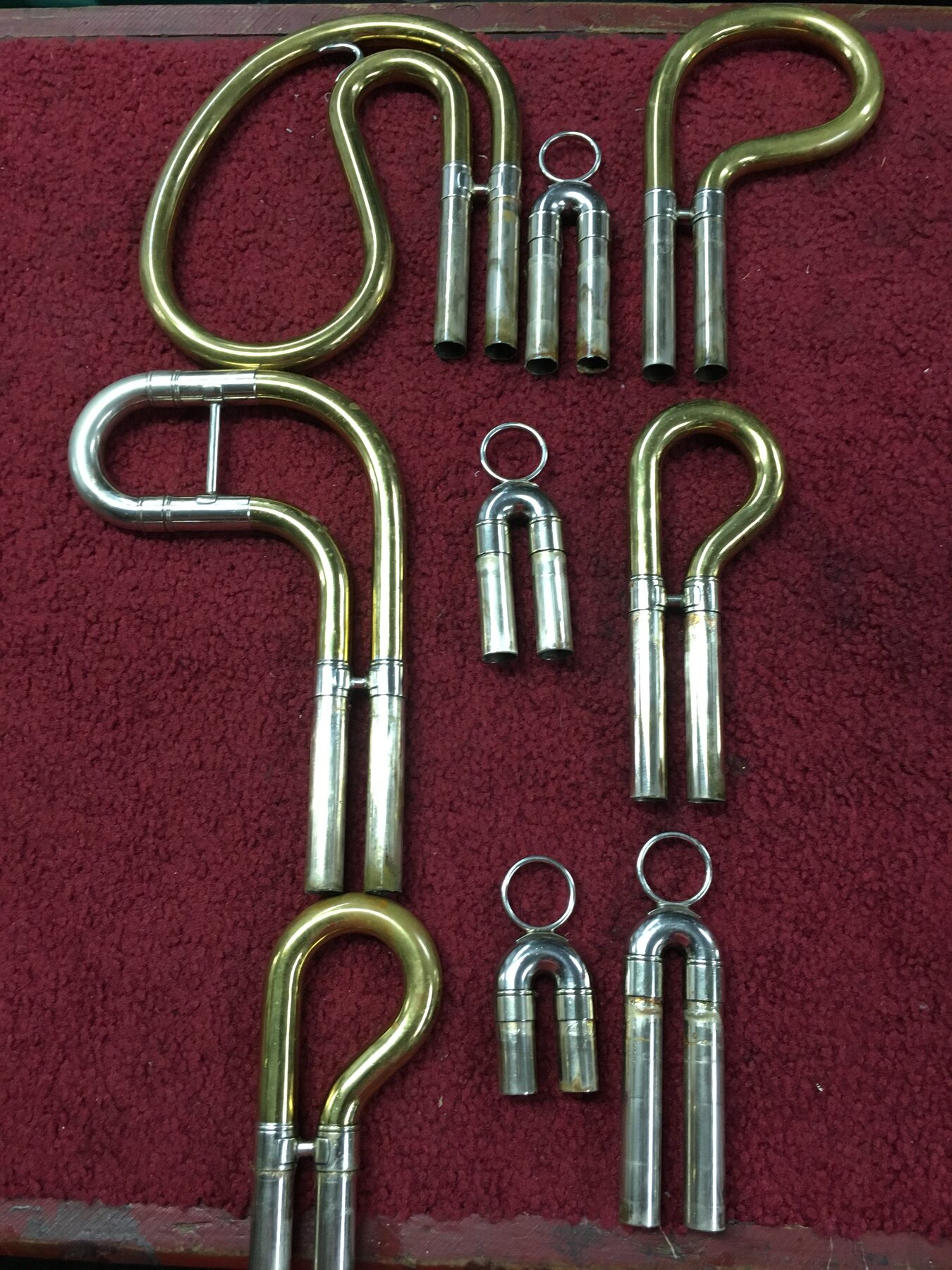
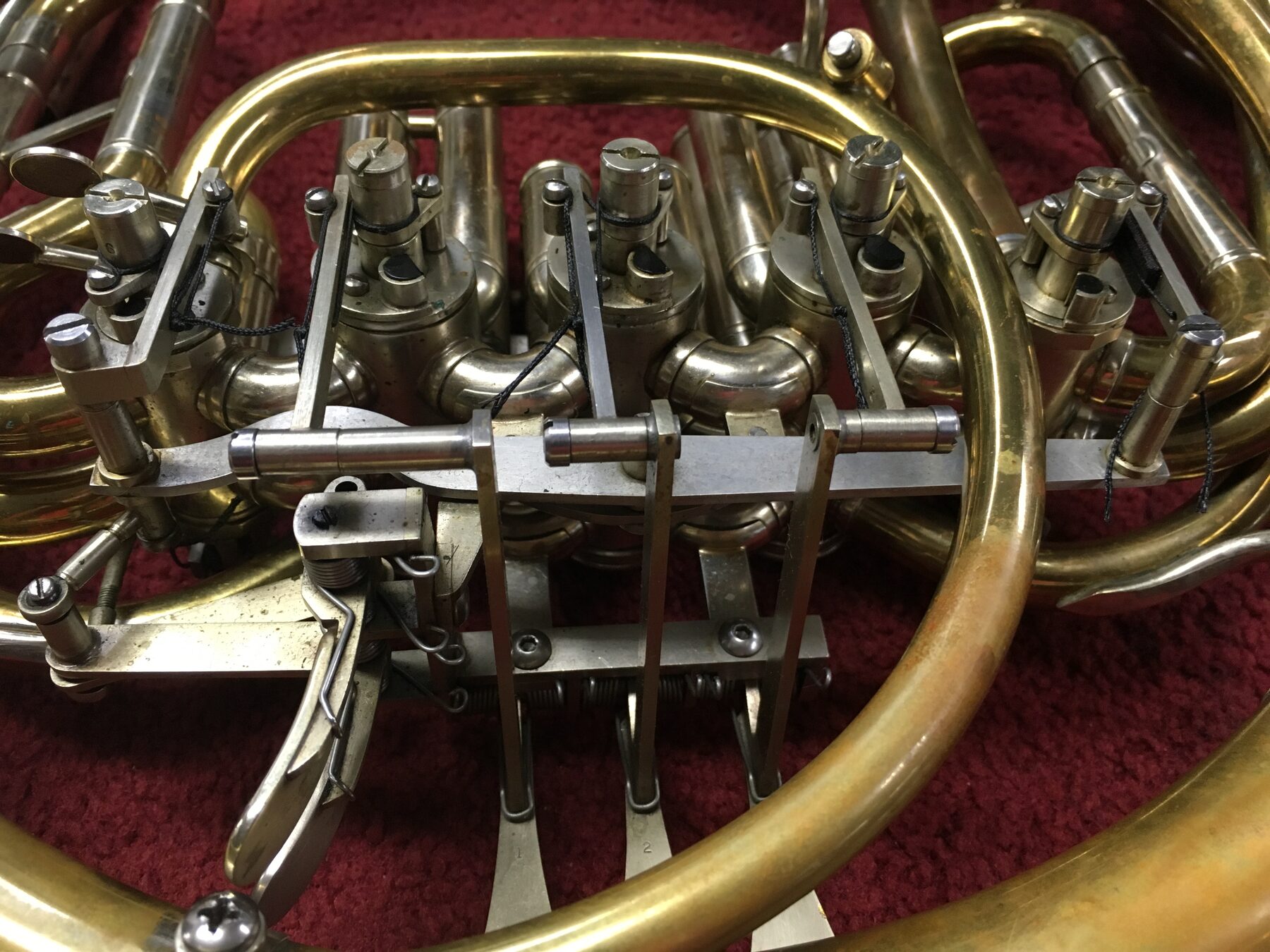
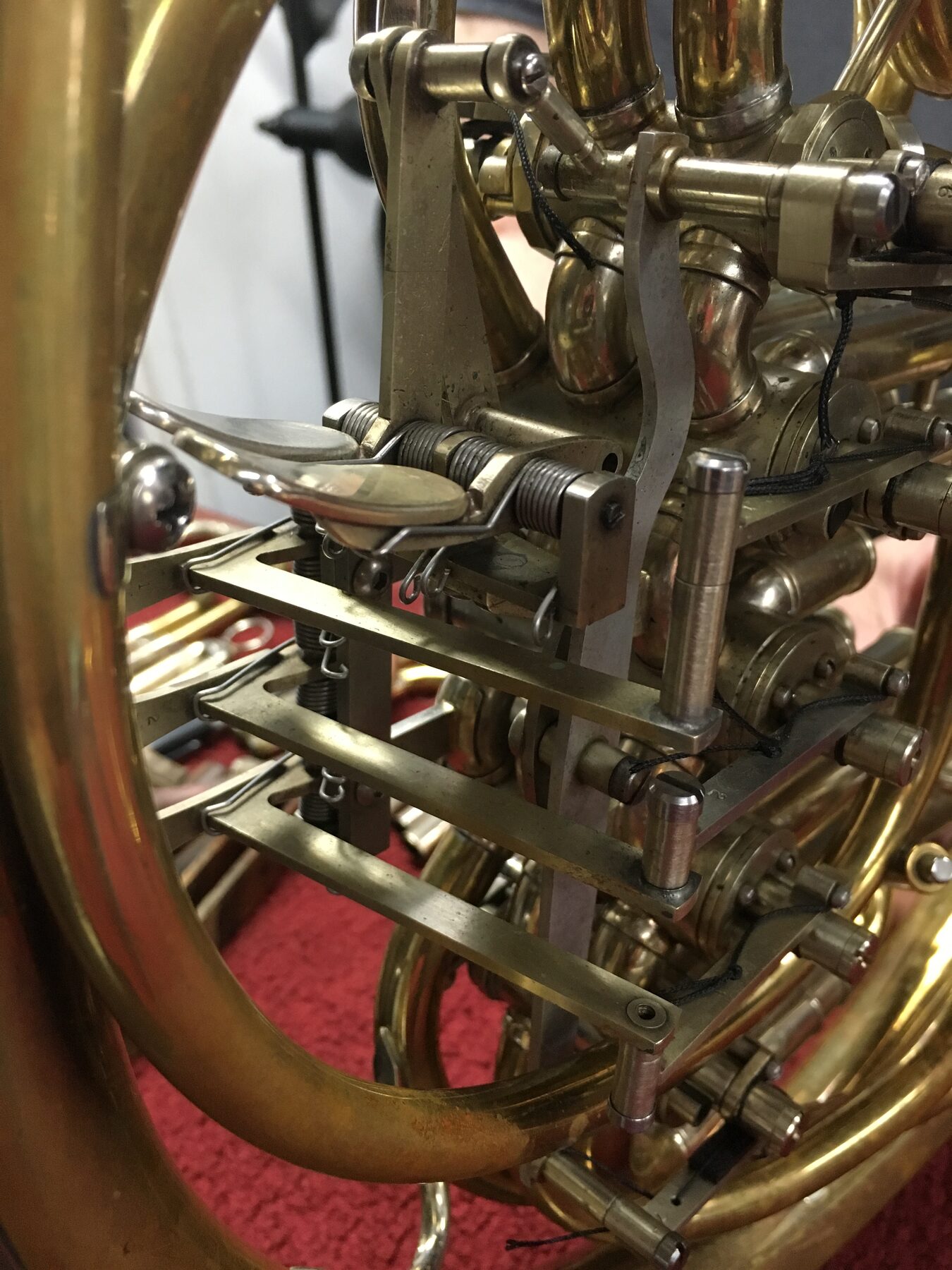
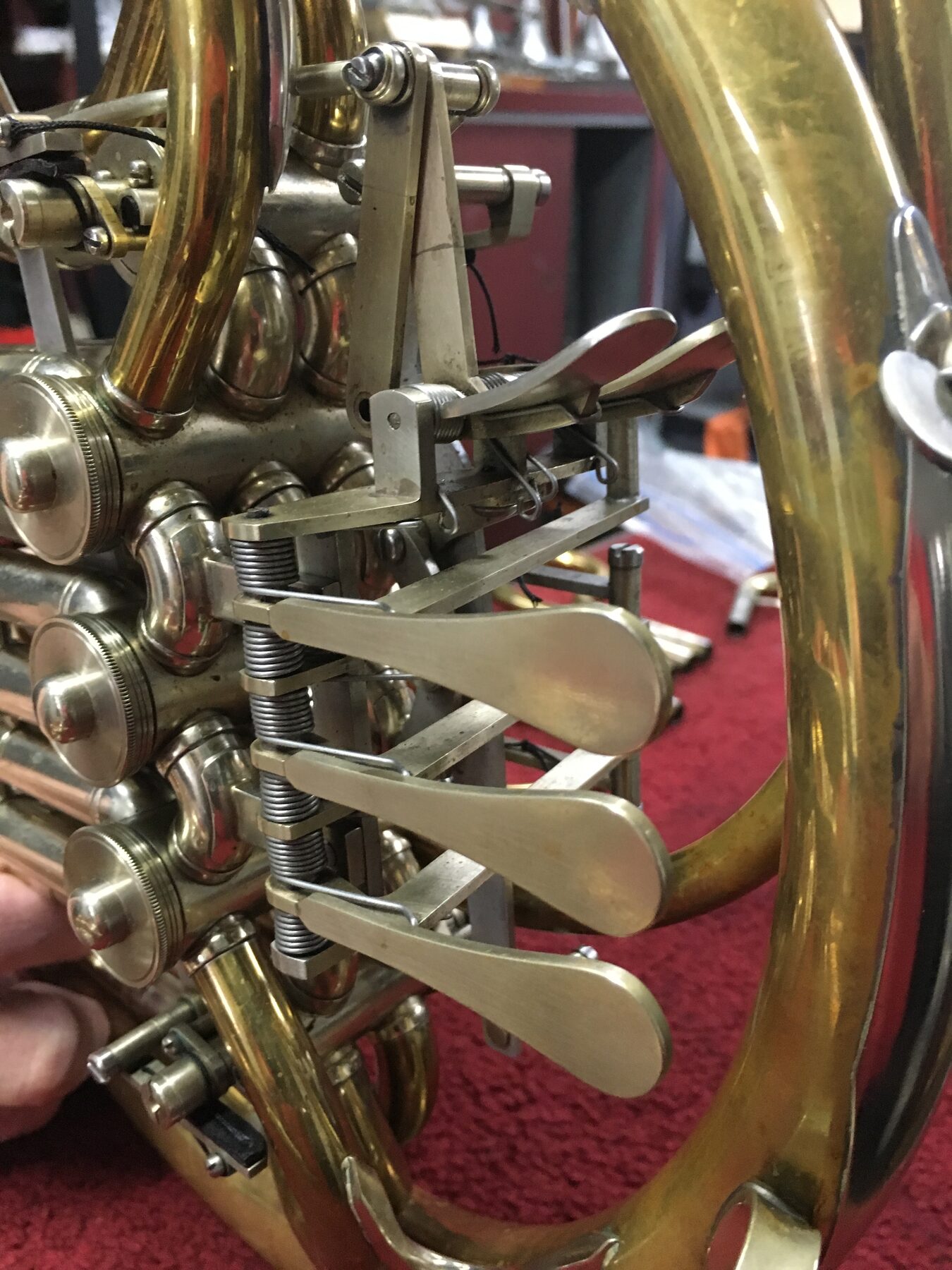
Miller also had another Kruspe tucked away in a box, waiting to be rebuilt. It had a large nickel bell and an upside-down change valve, but it remained unfinished until Holcombe was serving in the United States Continental Army Band at Fort Monroe. There he met George McCracken and hired him to rebuild the instrument. By that point Holcombe had also won a position with the Virginia Symphony and was teaching at the Armed Forces School of Music in Norfolk, Virginia. McCracken sleeved the valves, replaced worn slide tubes, fabricated missing slides, and installed one of his own #55 leadpipes, which Holcombe described as Kruspe-like and rooted in George’s work at King.
McCracken later rebuilt Holcombe’s 8D as well, fitting it with nickel, accuported valve cores, and a #14 leadpipe. When the bell throat eventually became dangerously thin, George even made a wraparound patch to keep the horn going.
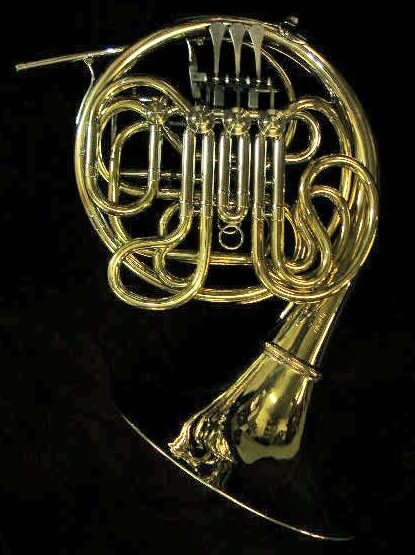
Not long after, one of Holcombe’s students urged him to try George McCracken’s Model 7 and buy one. Holcombe took the advice while he was playing in the Virginia Symphony, where the section was performing on all-brass horns. He asked George to build him a brass Model 7, using a large Meinl bell, McCracken’s accuported valves, and carefully placed spacers in the slide tubes to reduce gaps in the bore. Holcombe remembered the result simply: the horn came out fantastic.
He noted that George had already made a few Model 7s for players in the Army band during Holcombe’s Fort Monroe years, around the same time Holcombe was teaching at the Norfolk military music school.
Holcombe’s experimentation with McCracken went even further. His father, William Holcombe Sr.—a composer, arranger, and publisher—wrote him a piece titled Sonata, a work that uses the horn’s full range. That inspired Holcombe and McCracken to design a triple horn in E-flat, B-flat, and F around 2008. The project generated a great deal of trial and error—leadpipes, hollow nickel valve cores, and plenty of scrap—but their main design goal was to keep the leadpipe as long as possible. Holcombe said the triple played very well, though some passages in the Sonata moved too quickly for the instrument, so he ultimately recorded the piece on his Model 7 instead.
That triple project also pushed McCracken toward further innovations. Inspired by another triple repair, George went on to create an E-flat triple and, in an effort to save tubing, developed double change valves. Holcombe also recalled later work connected with David Thompson’s titanium triple: a friend at Canon Cameras cut the ports on a CNC machine, and the titanium parts had to be nickel plated so the valves would run properly. Thompson’s triple went through three different reworkings, including one version with an ascending third valve and no third valve on the high horn, followed later by another configuration in which David wanted a descending third valve.
As Holcombe liked to quote Tom Newell of the Boston Symphony: “It’s not the horn, it’s the player.”